

In today’s data-driven world, HR is no longer just an administrative function. It has become a strategic partner that drives business growth, productivity, and employee engagement. To make informed decisions, organizations need more than intuition they need accurate, real-time insights. This is where HR Analytics and Reporting plays a critical role.
At HROPAL, we help organizations unlock the full potential of their workforce data through intelligent analytics and powerful reporting tools that transform raw data into actionable insights.

What Is HR Analytics and Reporting?
HR Analytics and Reporting is the process of collecting, analyzing, and presenting HR data to measure workforce performance, identify trends, and support strategic decision-making. It combines data from multiple HR functions such as recruitment, attendance, payroll, performance, and retention into clear, meaningful reports.
HR analytics answers key questions like:
- Why is employee turnover increasing?
- Which teams are most productive?
- How effective are our hiring and appraisal processes?
- Where should we invest in training and development?
Why HR Analytics and Reporting Matter
- Enables Data-Driven Decisions: Analytics replace guesswork with facts, helping leaders make smarter HR and business decisions.
- Improves Workforce Planning: Insights into headcount, skills, and attrition help organizations plan resources more effectively.
- Enhances Employee Performance: Performance trends reveal strengths, gaps, and opportunities for development.
- Reduces Employee Turnover: Attrition analysis helps identify risk factors and improve retention strategies.
- Strengthens Compliance and Accuracy: Automated reports ensure accurate records for audits, labor laws, and internal policies.
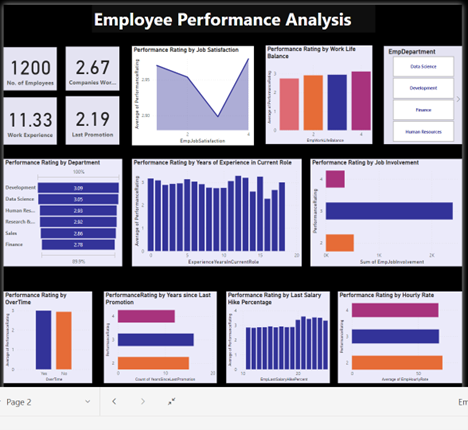
Key HR Metrics Tracked Through Analytics
An effective HR analytics system typically tracks:
- Headcount & workforce demographics
- Attendance and absence trends
- Employee turnover and retention rates
- Hiring time and recruitment efficiency
- Performance ratings and appraisal outcomes
- Training effectiveness and skill development
- Payroll and compensation insights
These metrics give HR teams a complete view of workforce health.
Types of HR Analytics
✔ Descriptive Analytics: Shows what is happening now or what has happened in the past through reports and dashboards.
✔ Diagnostic Analytics: Explains why certain trends or outcomes occurred.
✔ Predictive Analytics: Forecasts future outcomes such as attrition risk or workforce demand.
✔ Prescriptive Analytics: Recommends actions based on data insights to improve HR outcomes.
How HROPAL’s HR Analytics and Reporting System Works
At HROPAL, our HR analytics module is built to deliver clarity, speed, and strategic value.Real-Time Dashboards: Visual dashboards provide instant insights into workforce metrics and trends.
- Customizable Reports: HR teams can generate reports based on departments, roles, locations, or time periods.
- Integrated Data Sources: Analytics pull data seamlessly from attendance, payroll, performance, recruitment, and ESS modules.
- Automated Reporting: Scheduled reports reduce manual effort and ensure timely insights.
- Drill-Down Analysis: Users can dive deep into data to identify root causes and patterns.
- Secure & Role-Based Access: Sensitive HR data is protected with strict access controls.
Benefits of Using HROPAL’s HR Analytics and Reporting
➡ Strategic HR Planning: Align workforce strategy with business objectives.
➡ Improved Operational Efficiency: Identify inefficiencies and optimize HR processes.
➡ Better Employee Engagement: Use data to understand employee needs and improve satisfaction.
➡ Faster Decision-Making: Instant access to insights supports quick and confident decisions.
➡ Scalable for Growing Organizations: Works equally well for small teams and large enterprises.
Who Can Benefit from HR Analytics and Reporting?
SMEs: To gain visibility into HR operations and improve efficiency.
Large Enterprises: To manage complex workforce data across departments and regions.
Startups: To build data-backed HR strategies from the beginning.
Remote & Hybrid Teams: To monitor performance and engagement across distributed workforces.
Why Choose HROPAL?
HROPAL delivers a powerful HR analytics and reporting solution designed for modern organizations. With intuitive dashboards, real-time insights, and seamless integration across HR modules, HROPAL enables businesses to move from reactive HR to proactive, strategic workforce management.
Conclusion:
HR Analytics and Reporting are no longer optional they are essential for organizations that want to stay competitive, agile, and employee-focused. By turning workforce data into actionable insights, companies can improve performance, reduce attrition, and drive sustainable growth.
With HROPAL’s HR analytics platform, organizations gain the visibility and intelligence needed to make confident, data-driven HR decisions.